When the Product
Is the Brand
There is a version of branding that works like scaffolding. It holds the structure up while the building is incomplete — campaign language filling the gaps where conviction should be, visual identity compensating for what the product hasn't earned yet. It can be effective. It can buy time. But it is temporary, and everyone involved knows it.
Then there is another kind of branding entirely. The kind that doesn't compensate for anything, because there is nothing to compensate for. The kind where the object itself carries the entire argument — where touching it, wearing it, sleeping under it tells you everything you need to know about what the brand believes and why it exists.
This is not the easier path. It demands that the product is genuinely, uncompromisingly good. And in a market that has learned to simulate conviction through aesthetics, that demand is rarer than it sounds.
DATE
March 20 2026
WORDS
Studio Arata
4 min. read
TEKLA
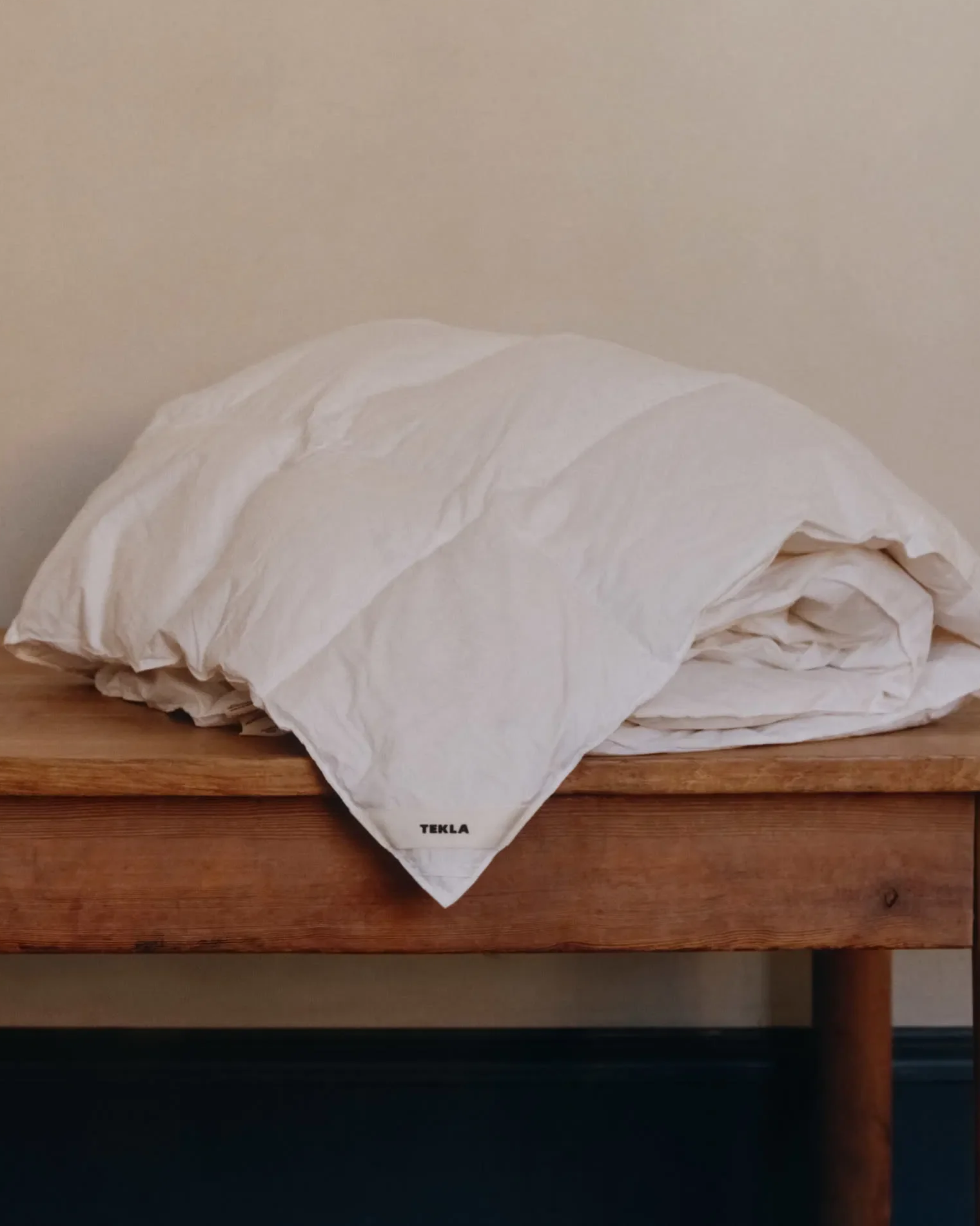
Tekla launched in Copenhagen in 2017 with a bet that most brand consultants would have advised against: that someone would pay a premium price for a towel. Not a statement piece. Not a limited-edition collaboration. A towel. An object so embedded in daily routine that most people replace it without thought.
What founder Charlie Hedin understood — and what the brand has demonstrated every year since — is that the intimacy of an object is not a liability. It's the argument. A towel that is genuinely better doesn't need to announce itself. It proves itself every morning, in private, without an audience. That proof accumulates. It becomes trust. And trust, compounded over years of daily use, is something no campaign can manufacture.
Tekla's brand language is spare to the point of near-silence. The colour references read like architectural specifications. The product descriptions prioritise thread count and fabric origin over lifestyle aspiration. The objects are photographed in homes that look lived in rather than staged. None of this is accidental — it is the brand making a consistent argument that the product is the point, and that anything placed in front of it would only obscure it.