
The Story Is in the Making
There is a version of brand storytelling that is essentially decoration. A narrative applied to a product after the fact — a founding myth, a values statement, a carefully art-directed campaign that tells you where the wool came from and who spun it. It can be beautifully executed. It can also be entirely detached from the object it claims to describe.
Then there is something harder and more rare: a brand whose story cannot be separated from the product itself. Where the origin, the making, the hands involved and the place they work in are not communication choices — they are design decisions. Where the object, held in your hands, already tells you everything.
This is not a storytelling strategy. It is a different understanding of what a brand actually is.
DATE
March 20 2026
WORDS
studio arata
4 min. read
Pura Utz
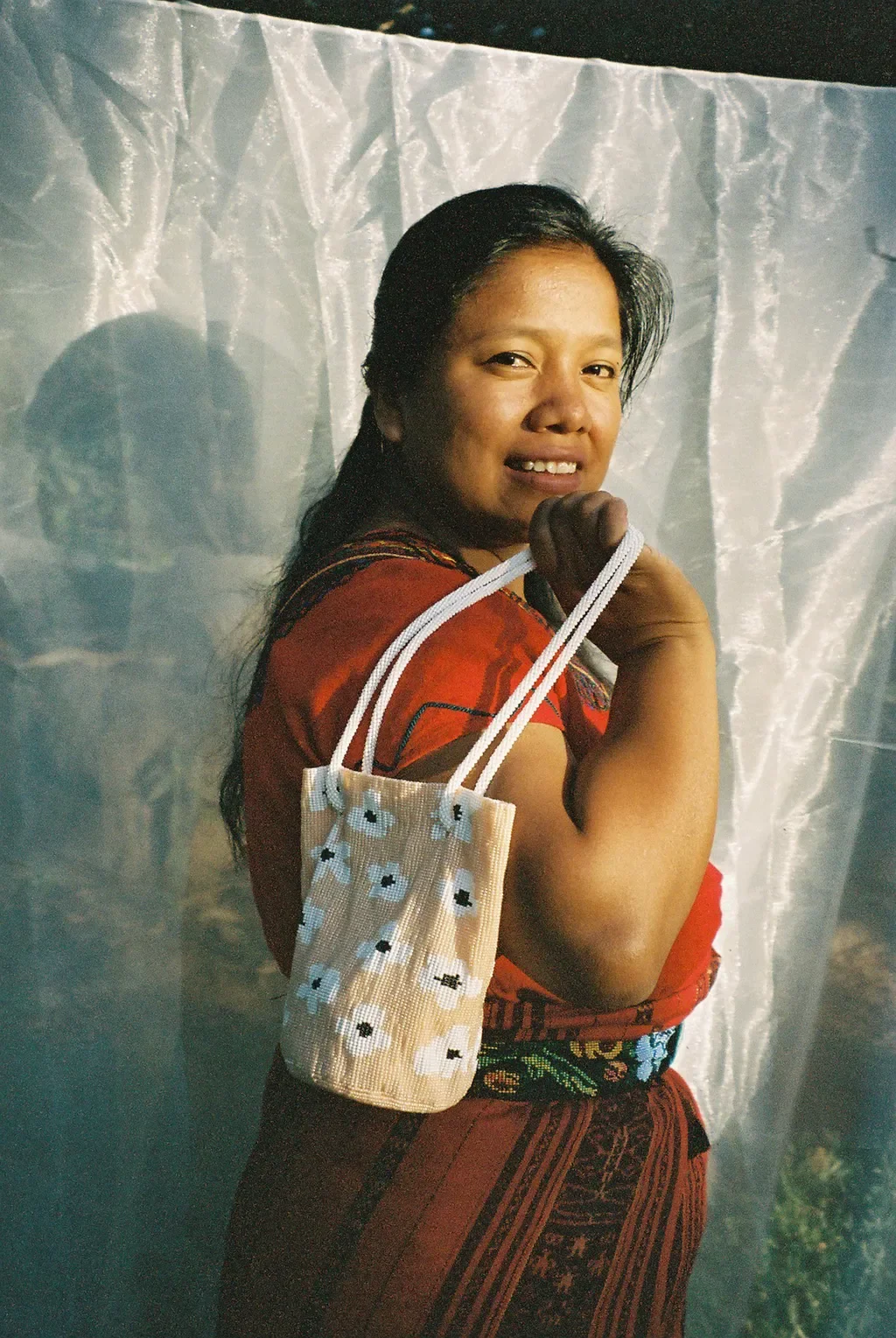
Pick up a Pura Utz beaded pouch and you are holding two women's working days. Twenty-four thousand, four hundred glass beads, placed by hand, one at a time, in Santiago Atitlán on the shores of Lake Atitlán in Guatemala. That number is not marketing copy. It is the product's biography — and Pura Utz makes no attempt to soften or abbreviate it.
Founded in 2018 by Danish nurse Anna Waller Andrés and Guatemalan artisan Bernabela Sapalú, Pura Utz began not as a jewellery brand but as an answer to a specific injustice: that women in Santiago Atitlán possessed extraordinary skill in the Mayan beadwork tradition of mostacilla, and were being paid almost nothing for it. The brand was built to invert that — to pay artisans four times the market rate, to make their skill the centrepiece of the product, and to bring that product to an international market willing to pay what the making actually costs.
What makes Pura Utz stand out as a brand storytelling case is not its ethics — it is its transparency about quantity. The bead count is not tucked into an impact report. It is how the product is described. The labour is not a footnote. It is the argument for the price, the argument for the object, the argument for the brand. When a competitor cannot replicate 24,400 hand-placed beads without paying the same number of human hours, the story becomes a structural moat. You cannot undercut it without the comparison becoming immediately indefensible.
Aiayu
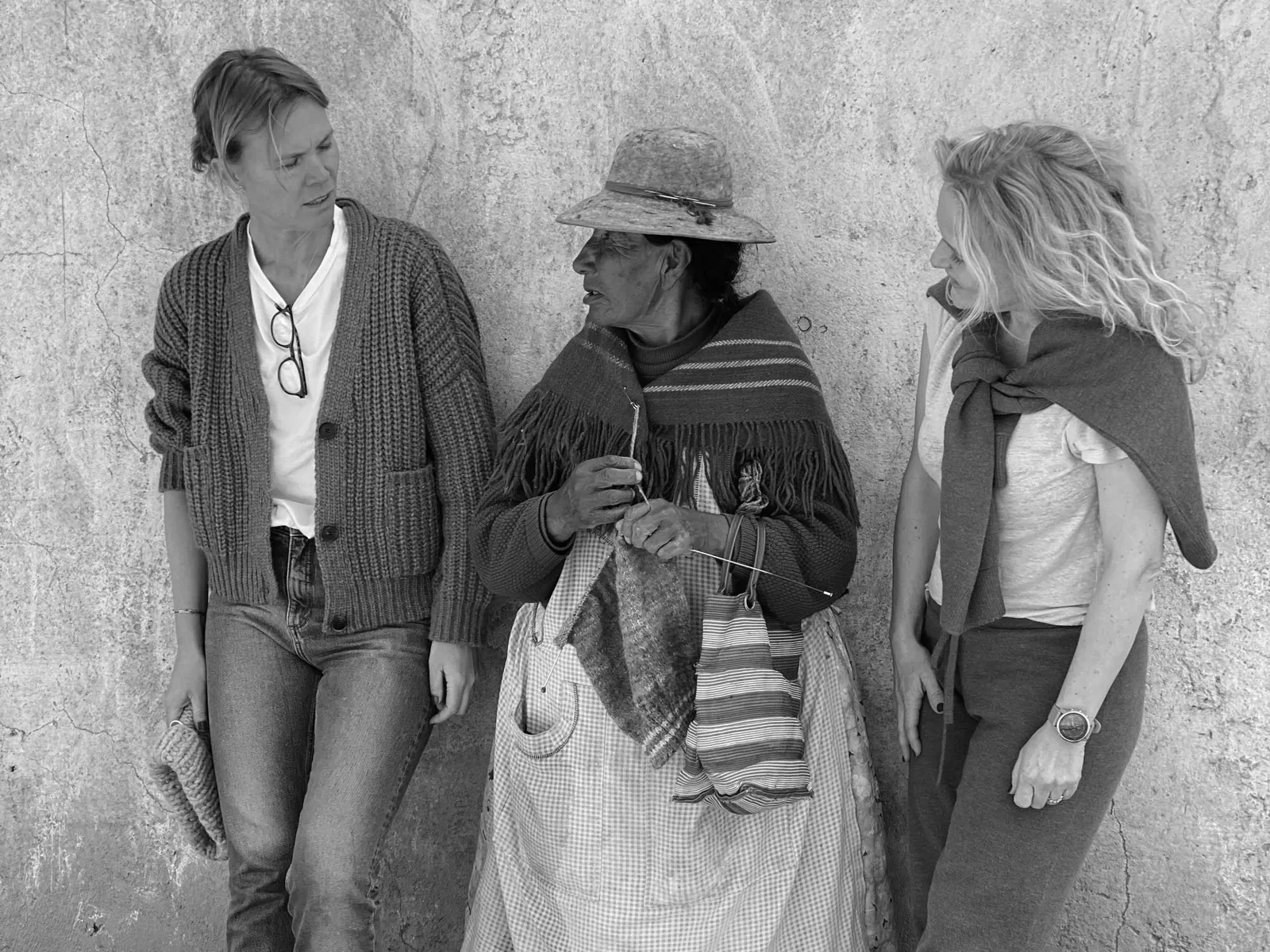
Aiayu has been building on that same logic since 2005. Their knitwear is made by artisans in Bolivia, Nepal, India, and Europe — and that fact is not tucked into a sustainability page. It is signed into the garment itself. Each hand-knitted piece carries the initials of the person who made it, stitched in at the hem. Not a hang tag. Not a QR code linking to a factory profile. A name, in the fabric, permanent.
That detail is small enough to miss and significant enough to change how you hold the object. It collapses the distance between the consumer and the maker in a way that no campaign could replicate — because it happens in private, after purchase, when no one is watching. The brand's most powerful communication is not on their website. It is inside the garment, waiting to be found.
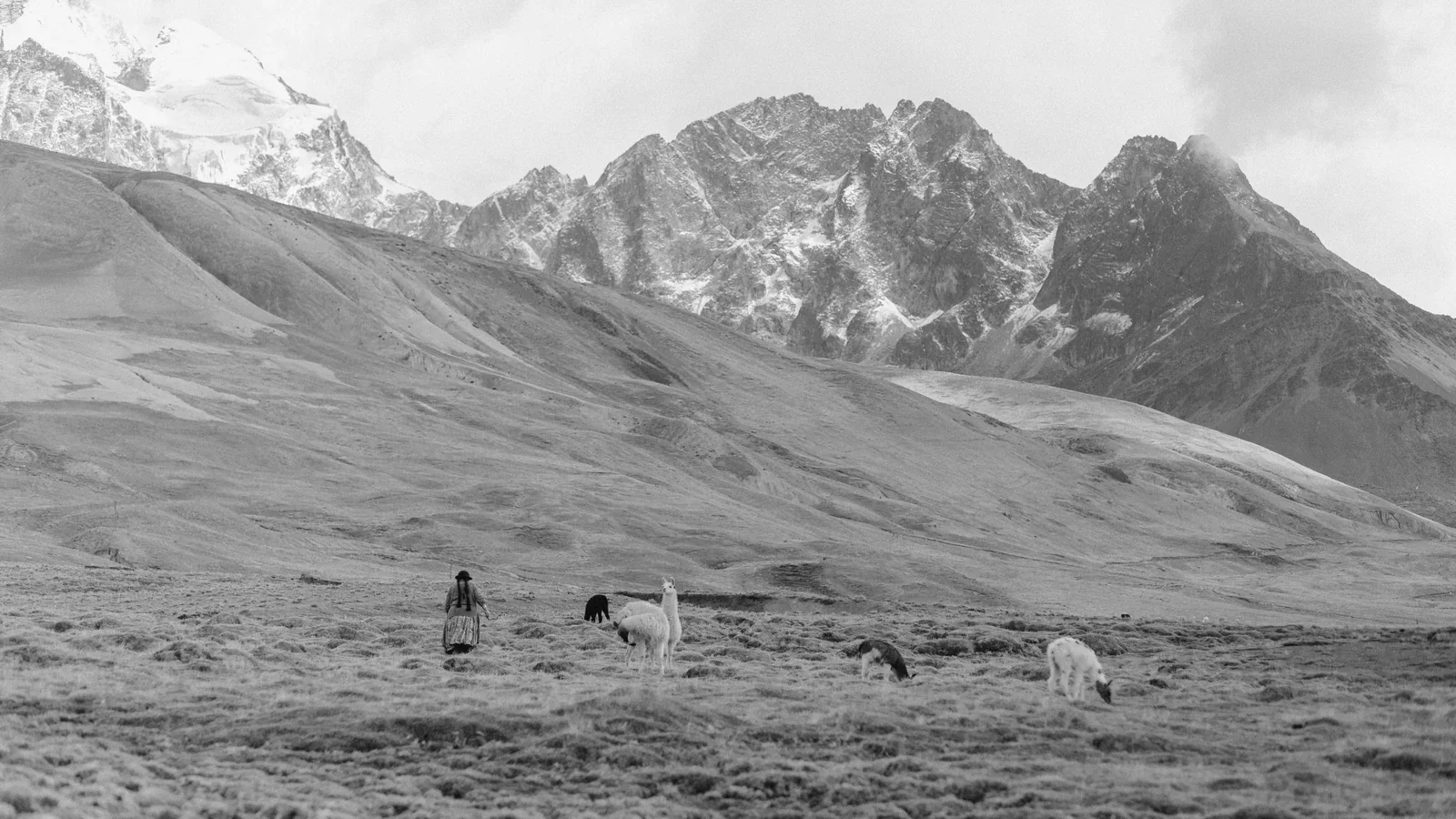
The supply chain at Aiayu is not a credential. It is the design brief. Materials are sourced where they originate — llama from Bolivia, cashmere from Nepal — not because the logistics are simpler, but because the origin is part of what the object is. Remove the provenance and you have a different product. That is the test of whether origin storytelling is genuine or performed.
Andersen-Andersen
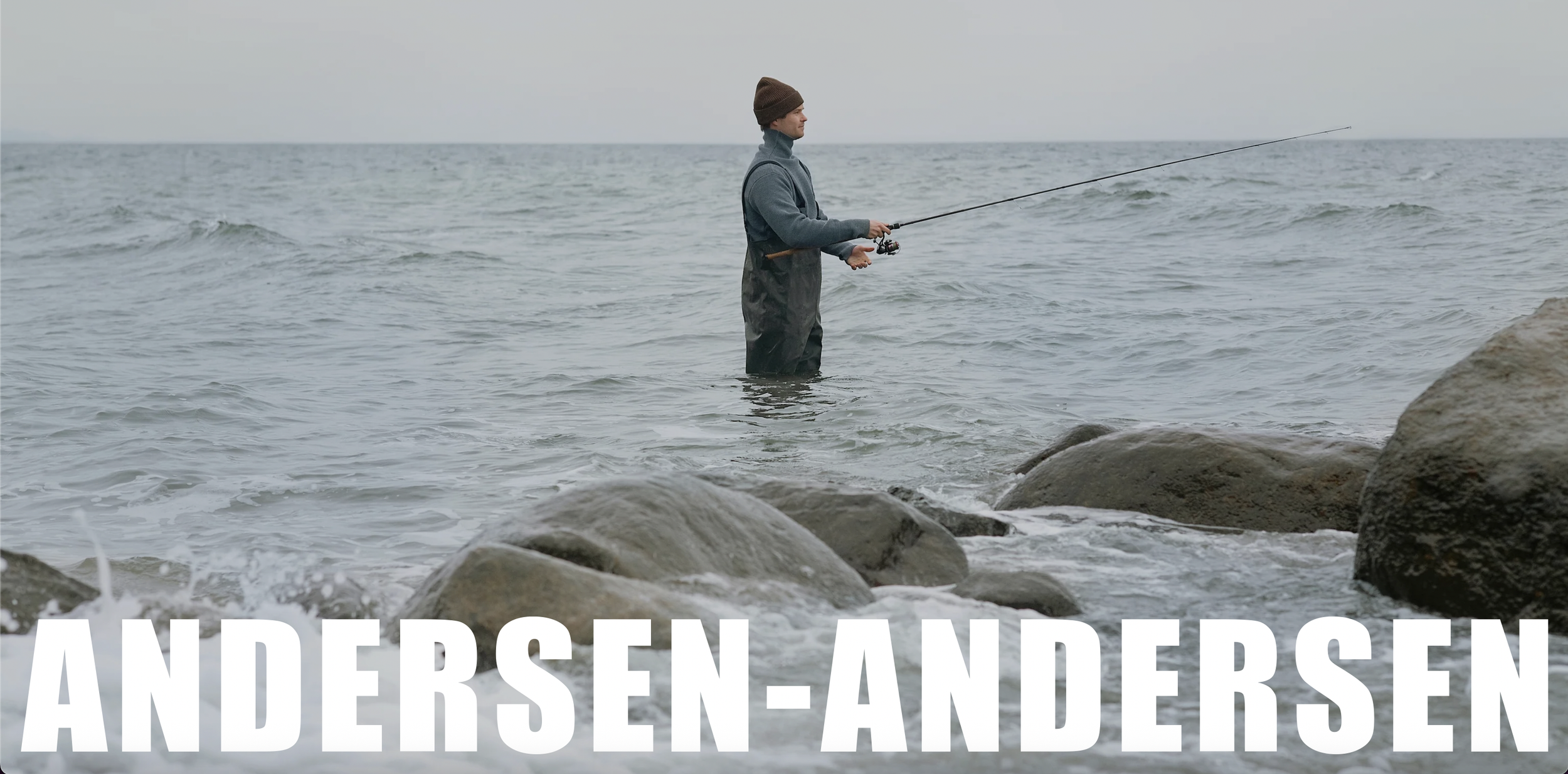
Andersen-Andersen began with a single ambition: to make the world's best sailor sweater. Founded in Copenhagen in 2009, the brand spent a year moving between spinning mills across Europe before finding a family-run factory in northern Italy capable of achieving the density and durability they required. The search itself is a brand story — but what makes Andersen-Andersen exceptional is that the story didn't stop at the factory door. It continued into the construction of the garment.
Their sweaters are designed to be identical front and back — symmetrical in a way that initially reads as an aesthetic choice. It isn't. Historically, sailors dressed in the dark, and a sweater that could be pulled on either way eliminated a problem. Today, that same symmetry distributes wear evenly across the garment, extending its life. The origin of a functional decision made at sea, centuries ago, is embedded in every sweater they produce. You can hold the object and not know that. Or you can know it, and the sweater becomes something else entirely — an argument about what clothing is for, made without a single word.
This is what the best origin storytelling achieves: not a narrative told about the object, but a history encoded within it.
Arc'teryx
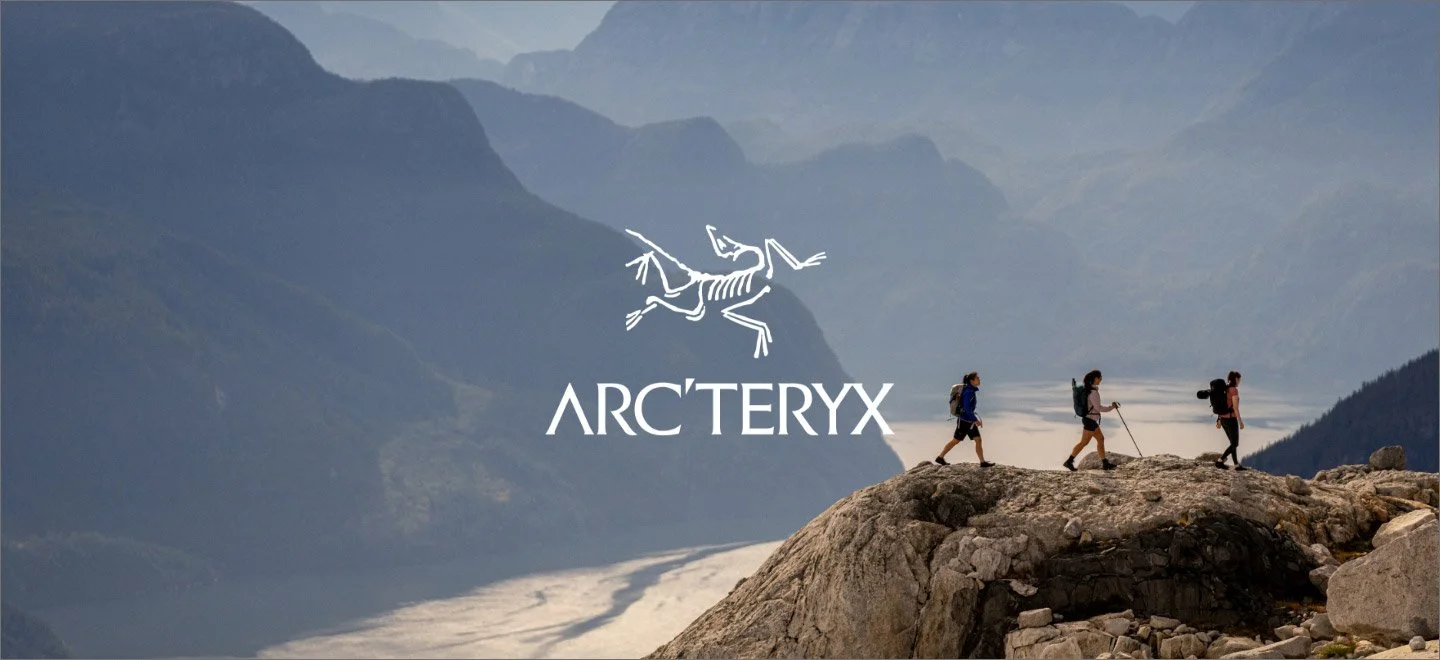
Arc'teryx was founded in North Vancouver in 1989 by climbers who were dissatisfied with the gear available to them. The name is taken from Archaeopteryx — the transitional fossil between dinosaurs and birds, chosen to represent the idea of evolution through necessity. That choice of name is not branding in the conventional sense. It is a precise articulation of the brand's operating principle: there is always a better way, and finding it requires starting from function rather than form.
Their ARC'One factory, located 20 minutes from their North Vancouver headquarters, is one of the last remaining in-house garment manufacturing facilities in North America. The Alpha SV jacket — their most iconic product — takes 197 work steps across 13 people and 280 minutes to complete. Each jacket passes through a water pressure test before it leaves. These are not facts Arc'teryx shares to perform transparency. They are facts that explain why the jacket costs what it costs and does what it does. The story of making is inseparable from the case for owning.
Where most outdoor brands ask you to imagine the places their products could take you, Arc'teryx communicates differently. The mountains behind their headquarters are not a backdrop. They are the testing ground. Designers use the products. The factory is 20 minutes from the peaks the jackets are built for. The proximity of making to use is itself a brand argument — one that requires no campaign to land, only the jacket and the conditions it was designed for.