

The Death of the
“Target Audience”
In traditional brand strategy, we are taught to pursue the "Target Audience." We map out demographics — age, income, location — as if a brand were a heat-seeking missile and the consumer a static destination.
But people move. They contradict themselves. They buy things that don't match their income bracket and ignore brands built precisely for them. In a landscape defined by hyper-fragmentation and digital fatigue, people no longer want to be "targeted." They want to be understood — and more than that, they want to belong.
The brands that have grasped this aren't just performing community. They've restructured around it.
DATE
March 20 2026
WORDS
studio arata
4 min. read
Here are three brands that have made that shift with precision:
01
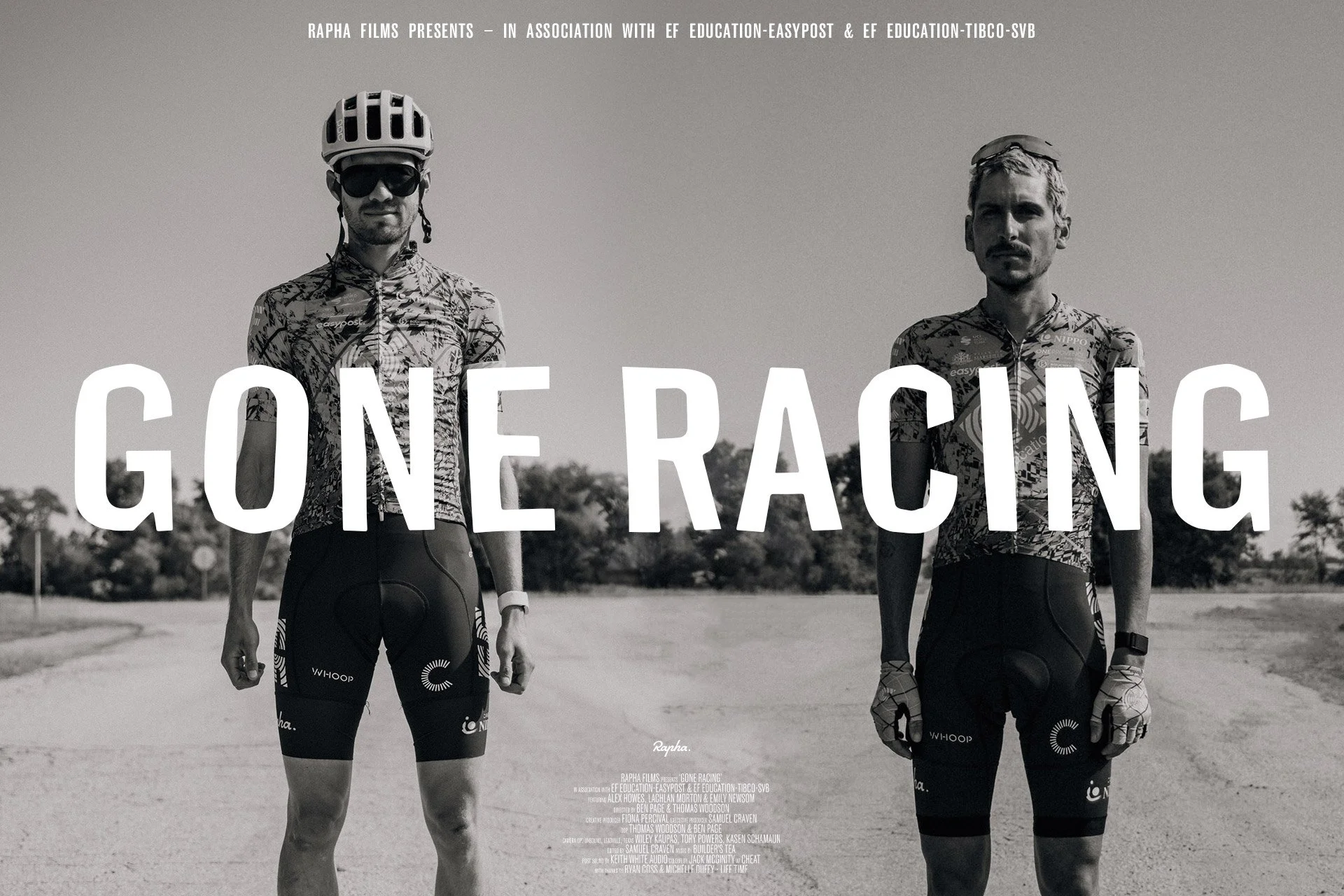
Rapha: The Club as a Brand
For twenty years, Rapha has been the definitive study in building what I call a Social Anchor — a brand so embedded in the rituals of its community that leaving it feels like leaving the community itself.
They didn't just sell cycling apparel. They built a three-part model where Content and Community sit as equals alongside Commerce. Through their global Clubhouses and the Rapha Cycling Club (RCC), they transformed a solitary sport into a collective ritual.
Rapha doesn't target "cyclists." They champion the Kings of Pain — a community defined by shared obsession with the suffering and glory of the road. That distinction matters: a cyclist buys gear; a King of Pain buys into an identity.
By creating a physical and digital home for that ritual, Rapha moved from vendor to custodian of a lifestyle. The product followed the community. Not the other way around.


02
Tracksmith:
The "Amateur Spirit"
Where mass-market giants scale for everyone, Tracksmith found power in radical specificity. They don't target "runners." They speak to the Running Class — the non-professional yet deeply committed athlete who logs miles at 6:00 AM before a full day at the office.
Their visual language is archival and collegiate — deliberately ignoring the neon maximalism of modern running culture to celebrate the historical grit of the sport. It's a studied act of exclusion, and it works precisely because of that.
Tracksmith's community isn't built on aspiration toward elite performance. It's built on honoring the unglamorous daily mile — the run no one else sees. By making that act visible and meaningful, they created a sanctuary for runners who felt abandoned by brands chasing podium finishes.
They didn't find an underserved demographic. They named an underserved feeling.
03
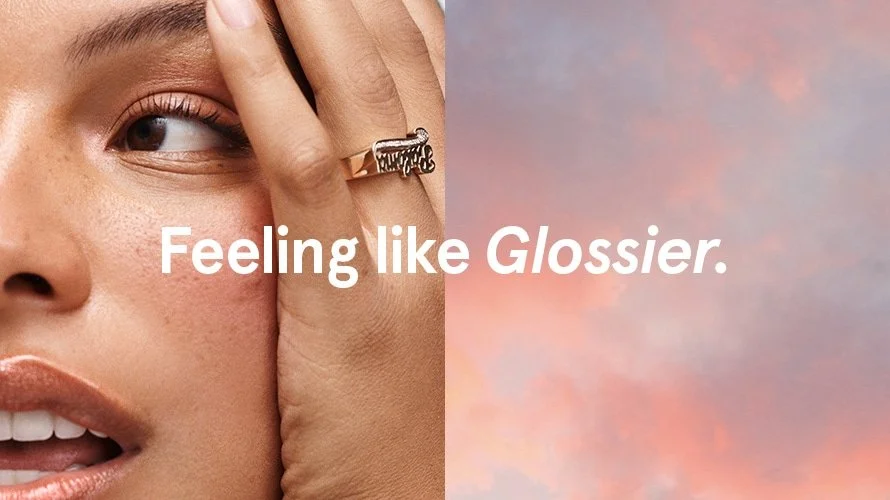
Glossier: Built With, Not For
Most beauty brands spend years perfecting a product before handing it to a community. Glossier inverted the process entirely.
Emily Weiss launched Into The Gloss in 2010 — a beauty blog built around a simple question: What's actually on your bathroom shelf? For four years, before a single product existed, Glossier cultivated a community of women who felt unseen by the beauty industry's glossy, aspirational language. By the time Glossier launched in 2014, they weren't pitching to an audience. They were answering one.
Their early customers became their first sales force — not through incentives, but through genuine co-ownership of the brand. The community didn't grow around the product; the product grew out of the community. Followers became the "Glossier Girls," and later, a formal rep program that turned loyal customers into brand architects.
The result: a beauty brand that felt less like a company and more like a shared point of view.