
The Architecture of Endurance: Beyond the 10-Year Mark
Most brands don't die from a single catastrophic decision. They die from a thousand small surrenders.
A logo softened to feel more approachable. A tone of voice diluted to avoid alienating anyone. A core belief quietly retired because it made the quarterly conversation uncomfortable. Each concession feels reasonable in isolation. Collectively, they hollow a brand out — until what remains is recognisable but no longer meaningful.
In a culture driven by 24-hour trend cycles, the pressure to adapt is constant and loud. What gets less attention is the discipline required to not adapt — to hold a position when the market is pulling you in another direction, when competitors are pivoting, when the easiest thing would be to follow.
Endurance is not passive consistency. It is active resistance. And the brands that have genuinely achieved it aren't just the ones that stayed relevant — they're the ones that stayed themselves, even when it cost them something.
DATE
March 20 2026
WORDS
studio arata
4 min. read
Here's what holding a position actually looks like:
01. DIESEL
The Price of Rebellion
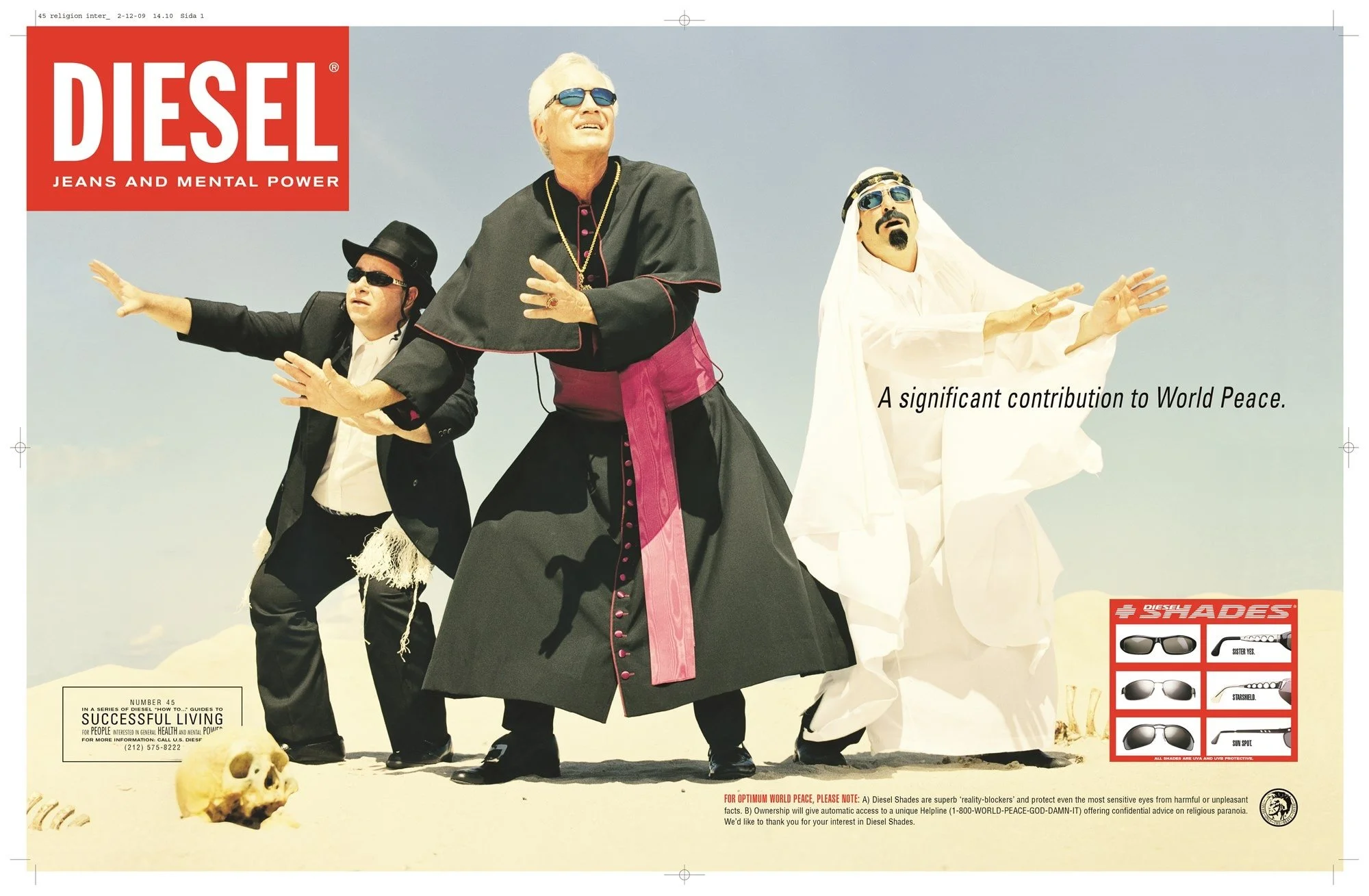
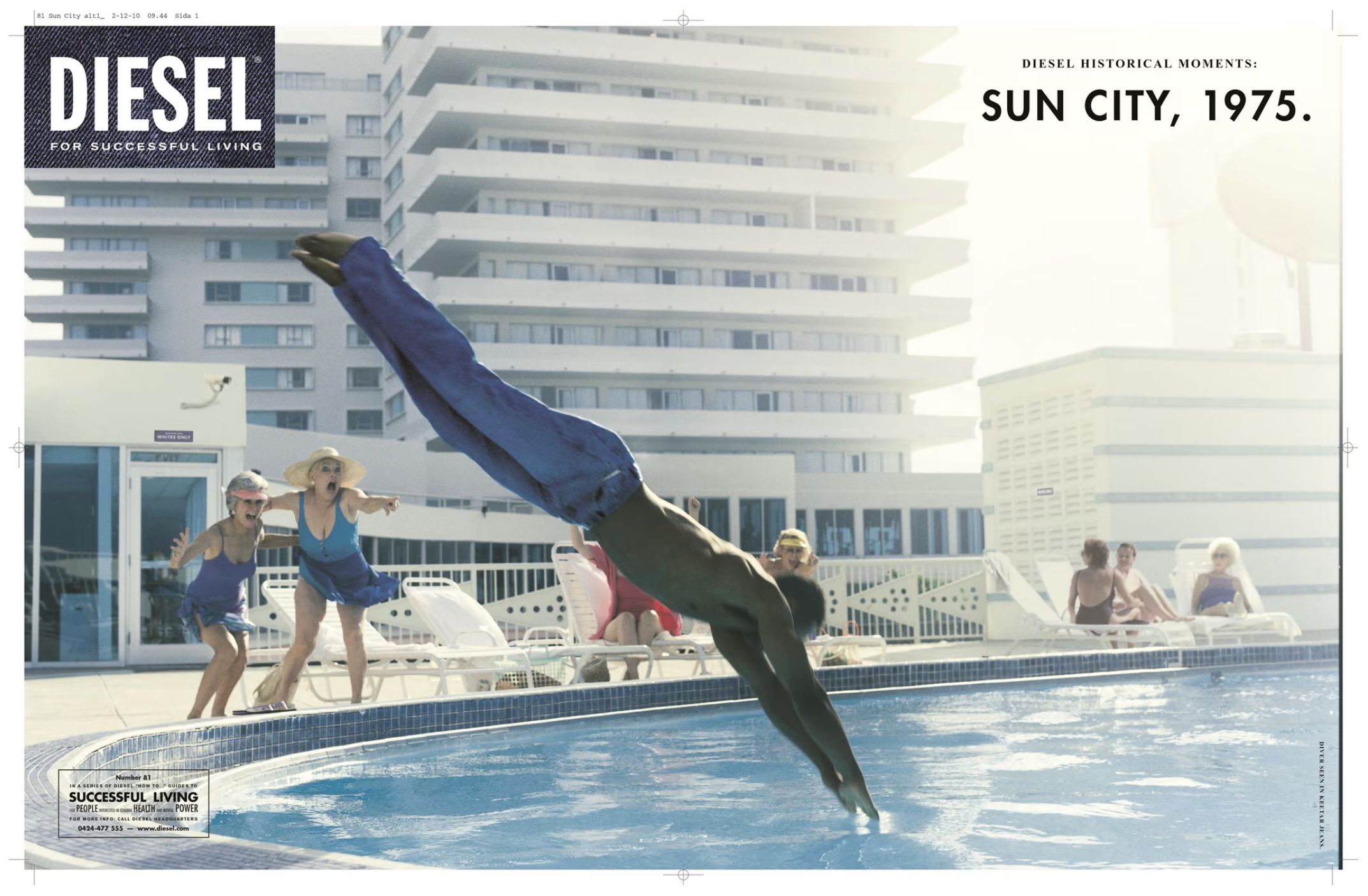
Diesel didn't achieve its iconic status by following the rules of luxury. From its inception in 1978, Renzo Rosso positioned Diesel as a deliberate antidote to the fashion industry's obsession with aspiration — selling not perfection, but Successful Living, a satirical and often absurd lens on contemporary culture.
What's most instructive about Diesel is not the high points, but the difficult ones. The brand has filed for US bankruptcy, cycled through creative directors, and weathered periods of genuine identity confusion. Lesser brands would have used those moments to reposition — to sand down the edges and become something safer.
Diesel's endurance came from the opposite instinct: returning, each time, to the same coded framework — Dream, Disruption, Deviation — that Rosso built into the brand's DNA from the start. New creative directors didn't reinvent Diesel. They reinterpreted it. The framework held even when the execution faltered.
That's what structural brand identity actually looks like: not a brand that never stumbles, but one with a foundation sturdy enough to return to.
02. PATAGONIA
The Cost of Conviction
Most brands talk about their values. Patagonia has spent decades doing something far more uncomfortable: acting on them when it was commercially inconvenient.
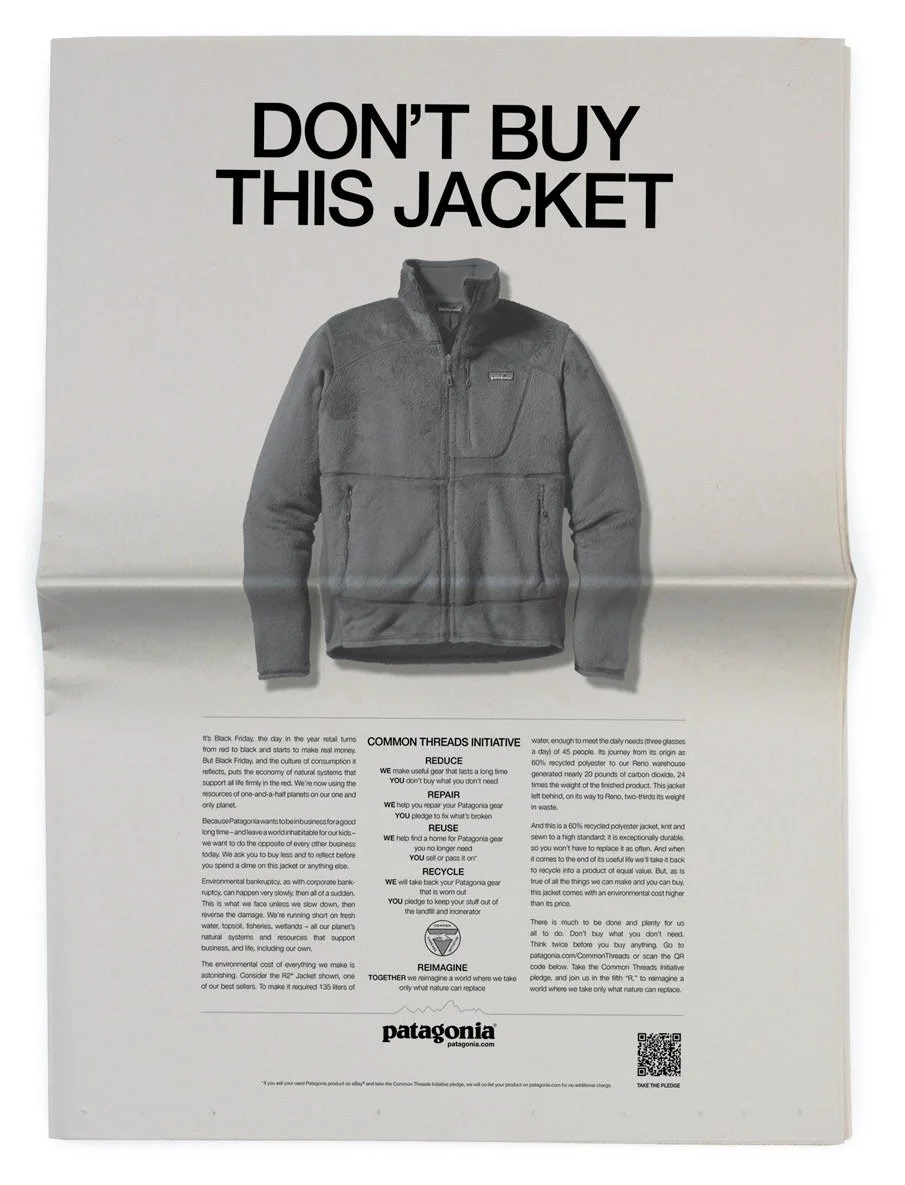
The "Don't Buy This Jacket" campaign is the most cited example, but it's worth reading it correctly. That wasn't a clever marketing stunt designed to generate goodwill through reverse psychology. It was a genuine provocation — an invitation to consume less, including less of Patagonia. The brand was willing to cannibalise its own revenue to make its position legible.
That pattern has repeated throughout Patagonia's history. They have sued the US government. They have walked away from business that conflicted with their environmental stance. In 2022, founder Yvon Chouinard transferred ownership of the entire company to a trust and a non-profit dedicated to fighting climate change — forgoing billions in personal wealth to ensure the mission could never be subordinated to shareholder return.
Each of those decisions was a commercial risk taken in defence of a position. And each one made the position more credible than any campaign could. Patagonia didn't build trust by being consistent in their messaging. They built it by being willing to lose something.
That is what distinguishes a brand with genuine conviction from one performing it: the readiness to pay a real price. And the counterintuitive result is that every time Patagonia paid that price publicly, the brand became harder to compete with — because you cannot copy a sacrifice.

03. LIQUID DEATH
Liquid Death: Conviction at Speed
Liquid Death is only a few years old. It does not belong on a list about endurance in the traditional sense — and that's precisely why it's here.
In the time most brands spend debating whether their positioning is too bold, Liquid Death built an entire universe around a single, deliberately extreme idea: murder your thirst. Canned water marketed with the aesthetic vocabulary of heavy metal. A brand that treats hydration the way its competitors treat rebellion.
Every touchpoint — the can design, the naming conventions, the content strategy, the brand voice — answers to the same central conviction without exception or apology. There are no soft-focus lifestyle shots. No pivot to wellness language. No attempt to widen the aperture for a broader audience.
What Liquid Death demonstrates is that endurance isn't only measured in decades. It's measured in the consistency of refusal — the willingness to turn down every opportunity to be something more palatable. They are building, at speed, the kind of brand coherence that most legacy companies have spent years eroding.
Radical commitment, sustained from day one, is its own form of architecture.
04. SUUNTO
Suunto: The Instrument That Refused to Become an Accessory
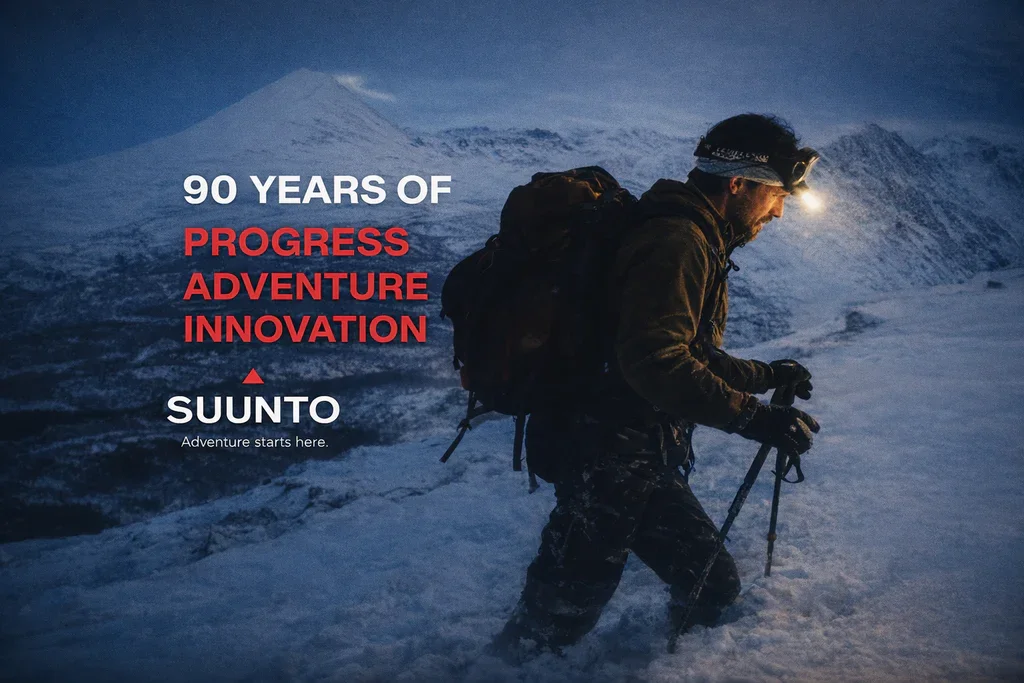
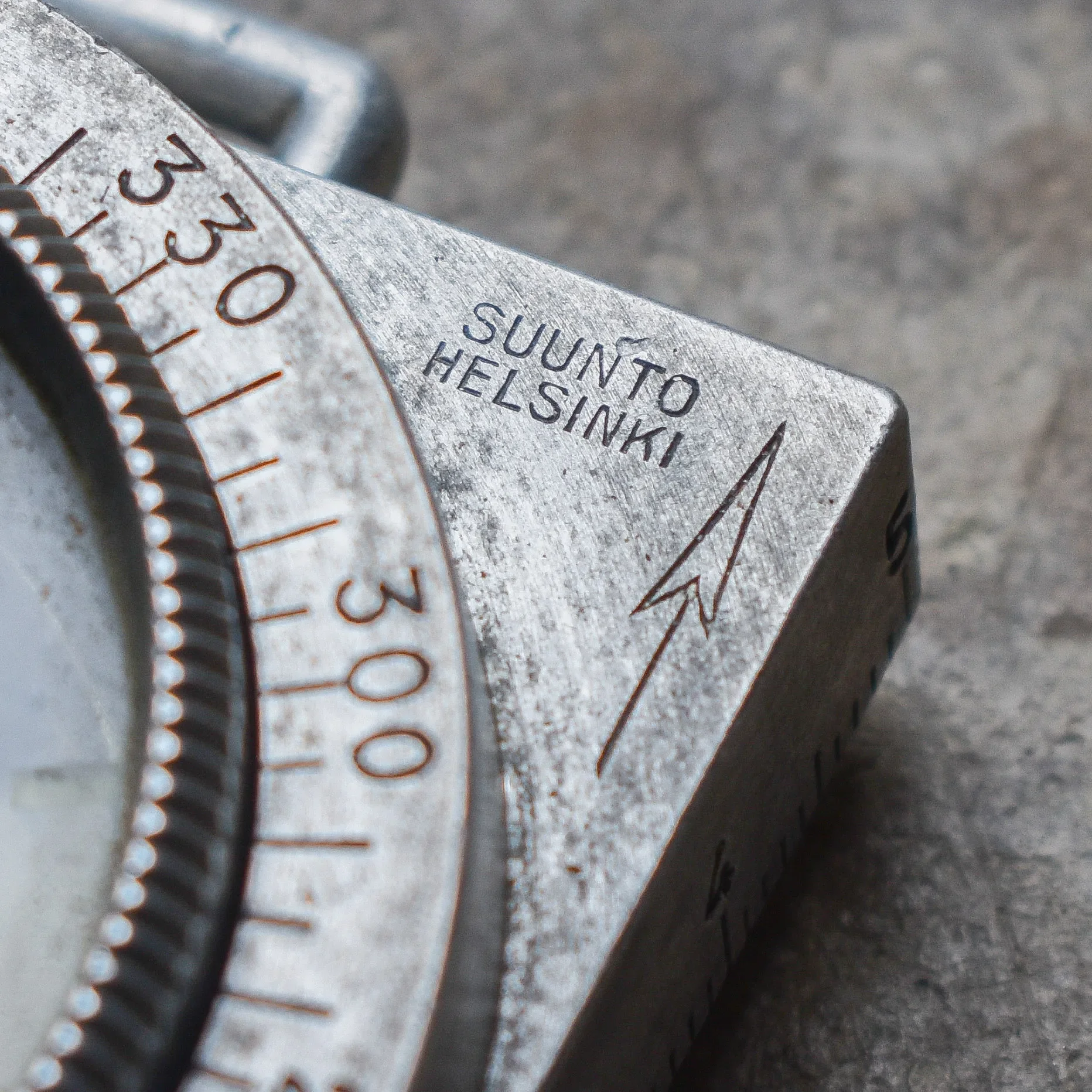
Founded in Finland in 1936, Suunto built its reputation on a single, unambiguous commitment: instruments for people who go to serious places. Compasses for expeditions. Dive computers for technical divers. Watches for athletes who measure performance, not aesthetics.
Then the wearables market exploded. Apple, Garmin, and a wave of lifestyle brands transformed the sports watch category into a battleground for the wrist — sleek, social, and increasingly indistinguishable from fashion objects. The commercial pressure on every player in the space to crossover was enormous. Smartwatch features, notification integrations, softer design language — the template for "relevance" was clear.
Suunto largely declined it.
While competitors chased the broader lifestyle consumer, Suunto stayed oriented toward the expedition athlete, the open-water diver, the mountain runner who needs precision above 4,000 metres and doesn't particularly care how the watch looks at dinner. They refined their technology. They deepened their specificity. They did not attempt to become something the category hadn't asked them to be.
The result is a brand that has quietly outlasted several waves of "the future of wearables" — not by winning the mainstream conversation, but by remaining irreplaceable to the audience that matters most to them. In a category defined by obsolescence, Suunto's durability comes from a simple discipline: knowing exactly who they are for, and refusing to blur it.
Sometimes endurance means knowing exactly what not to touch.